
Healthcare local business, United Kingdom — January 2022 to April 2023
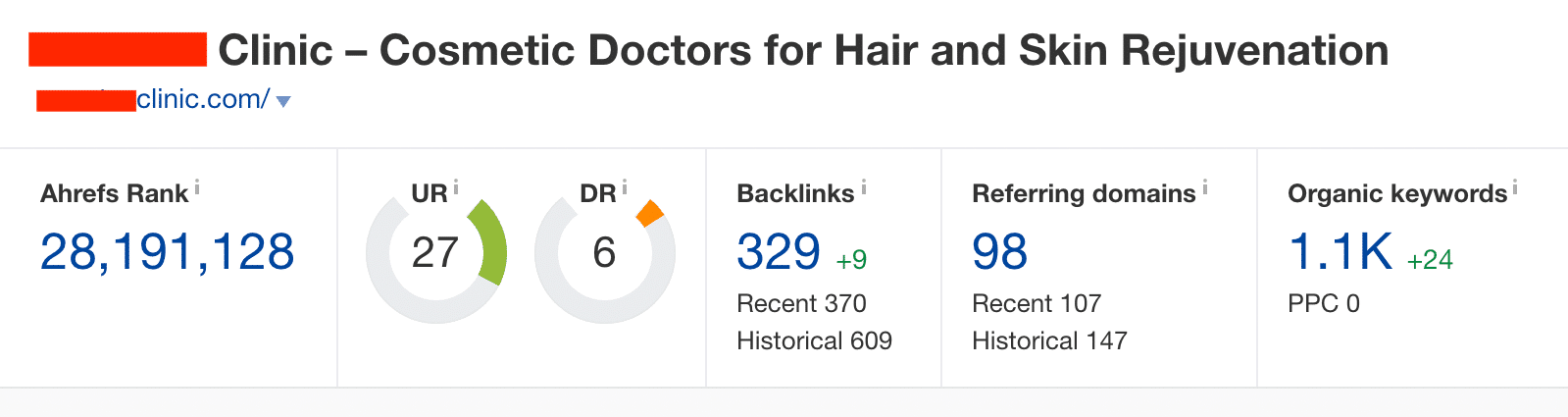
This dermatology clinic is a UK-based healthcare provider. When I started working with them in January 2022, their website had a domain authority of just 6 and was pulling in around 500 monthly organic visitors. The clinic had strong services and a solid offline reputation, but none of that showed up online — the site struggled to rank, attract qualified patients, or convert visitors into real inquiries.
What was actually blocking growth, once I dug in:
The backlink profile was filled with low-quality links that weren’t helping rankings — they were actively limiting Google’s trust in the domain. That’s one of the main reasons domain authority stayed low and important service pages couldn’t rank competitively.
There was no keyword map, no content clusters, no internal linking logic. Blog posts were random and disconnected. Google couldn’t tell what the clinic was actually an authority on, and visitors had no clear path from blog to service pages — costing them both rankings and conversions.
Service pages had thin, poorly structured content — no proper headings, no FAQ sections, no structured data. That made it hard for Google to interpret the services clearly, and hurt visibility in rich results and AI-based answers.
Render-blocking scripts and unminified CSS were slowing the site down, hurting both rankings and user experience — especially on mobile.
No reviews, no FAQs, no medical schema, no visible team information, no certificates, and Google Business Profile reviews weren’t even connected to the site. For a healthcare business, that’s a serious trust gap — visitors were landing on the site and still hesitating to reach out.
I built a full keyword map across services, locations, and supporting informational queries. Every service page was rewritten around real search intent, giving Google clear topical signals and matching what actual patients were searching for.
I restructured service pages with FAQs, detailed explanations, internal links, and medical structured data, and connected Google Business Profile reviews directly to service pages. Team bios and certificates went up to show real medical authority — trust, engagement, and conversion rate all improved because visitors could finally see proof, not just claims.
Instead of random blog posts, I built pillar pages with supporting content clusters, all internally linked to service pages. That gave the site real topical authority and helped Google understand this clinic as a specialist provider — not just another medical website.
I built content writing guidelines for their team. Everything was rewritten to be fact-based, medically referenced, and backed by proper author bios — improving E-E-A-T and making the site more credible to both Google and patients.
Render-blocking scripts were reduced, CSS was minified, images were optimized. Mobile speed improved, bounce rate dropped, engagement went up — all signals that feed directly into rankings.
I disavowed more than 100 toxic backlinks, then built high-quality local links through outreach, directory placements, editorial insertions, and guest posts. Domain authority climbed steadily, and rankings became more stable.
Monthly traffic increased from around 500 to 13,000+ visitors. Domain authority improved from 6 to 20. Most importantly, the clinic saw a strong increase in real patient inquiries and conversions — not just traffic.
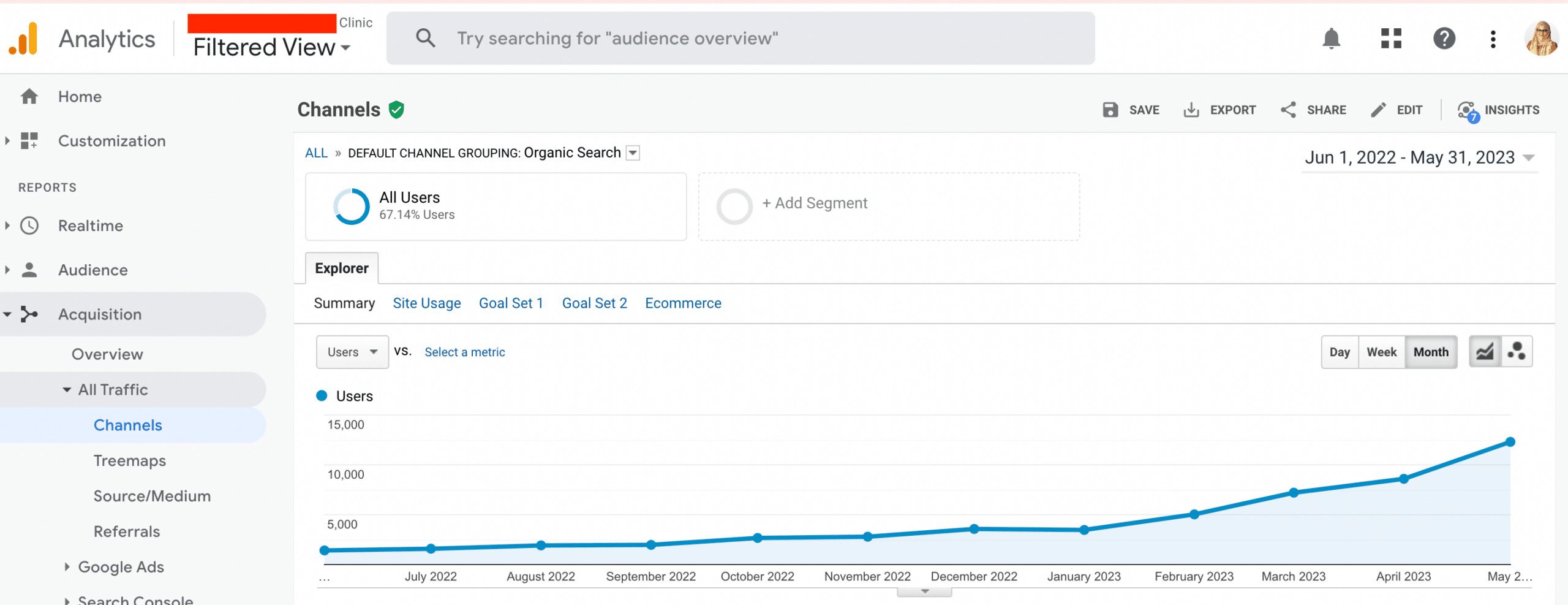
Here are the last two months of conversions before I wrapped up the engagement:
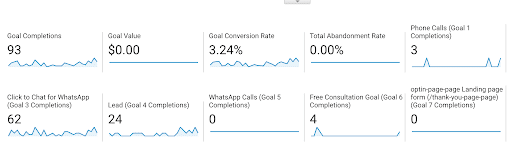
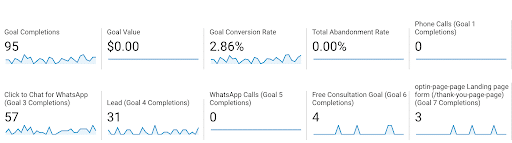
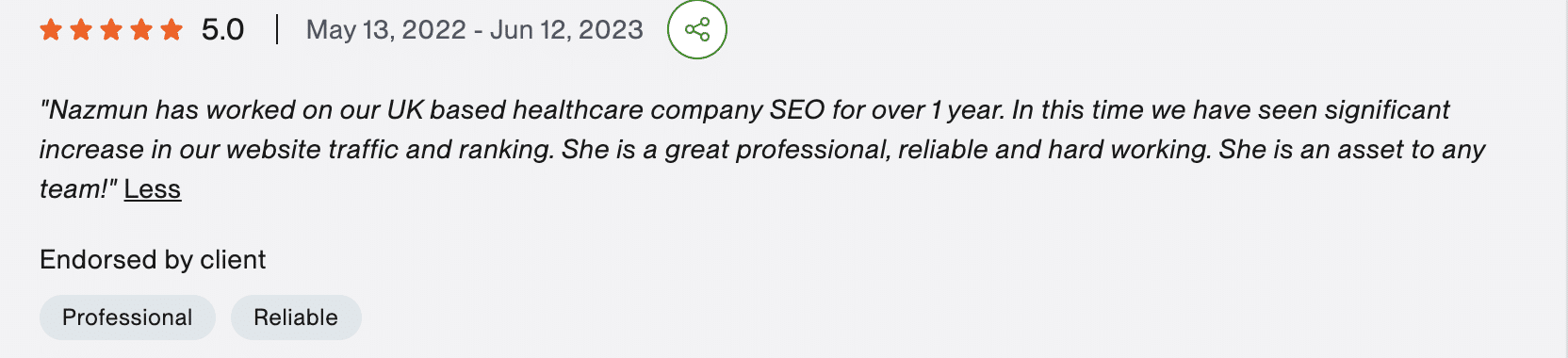
The client was extremely satisfied with the results, reflected in a strong review on Upwork.
No slide deck, no sales pitch — just a straight conversation about where you’re losing traffic.
Book a free 30-minute consultation →